
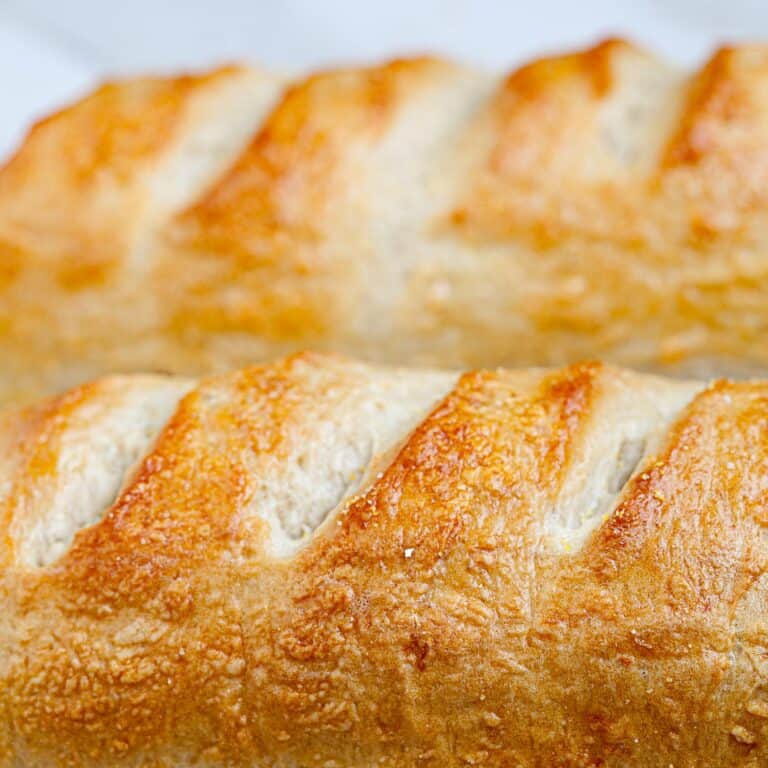
Nothing beats a loaf of crusty, chewy French bread at the dinner table. This crusty French bread recipe bakes up two golden loaves with a crackly crust and a soft, chewy center, using flour, yeast, sugar, salt, and warm water. No bread machine or stand mixer needed. Serve one loaf with dinner tonight and freeze the other for soup night later.

In This Article
This post may contain affiliate links, at no additional cost to you.
Amy’s Notes

Growing up in my parents’ restaurants taught me that the little extras the table make a meal, and fresh bread is one of them. This crusty French bread recipe is surprisingly doable at home: The dough uses regular all-purpose flour, and a simple pan of water in the oven helps give you that crackly, golden crust. Even if you’ve never baked with yeast, I’m going to walk you through it with simple steps below. Here’s what you’ll love:
- Crackly Crust, Chewy Center: An egg white wash and a little steam in the oven give these loaves a shiny, golden crust with a soft, chewy inside.
- Pantry Ingredients: Flour, yeast, sugar, salt, and water are all you need, so you can bake it any day of the week.
- Two Loaves From One Batch: Serve one with dinner and freeze the other for later.
- Made for Soup Night: Tear off a piece for dunking into any of our hearty soup and stew recipes. If you love baking with yeast, try our homemade soft pretzel recipe next.
Key Recipe Ingredients
- All-purpose flour: Regular all-purpose flour gives a soft, chewy crumb, so there’s no need for bread flour here.
- Active dry yeast: This is what makes the dough double in size. Check the date on the packet, since older yeast won’t rise as well.
- Warm water: Aim for about 110°F. Too cool and the yeast is slow to get going, too hot and it can kill the yeast.
- Cornmeal: A light sprinkle on the pan keeps the loaves from sticking and adds a little crunch to the bottom.
- Egg white: Brushed on twice, it gives the crust its shiny, golden finish.
Substitutions and Variations
- Instant Yeast: Use the same amount. The dough rises faster, so start checking it early.
- Bread Flour: Swap it in 1:1 for an even chewier loaf. You may need a splash more water to get the same soft, play-dough feel.
- Egg-Free Crust: Brush the loaves with water instead of egg white for a crisp, slightly paler crust.
- Smaller Loaves: Shape four smaller loaves instead of two, and start checking for doneness a few minutes early.
- Bruschetta: Slice, toast, and top it with our easy bruschetta recipe with garlic and peppers.
Step-by-Step Recipe Instructions
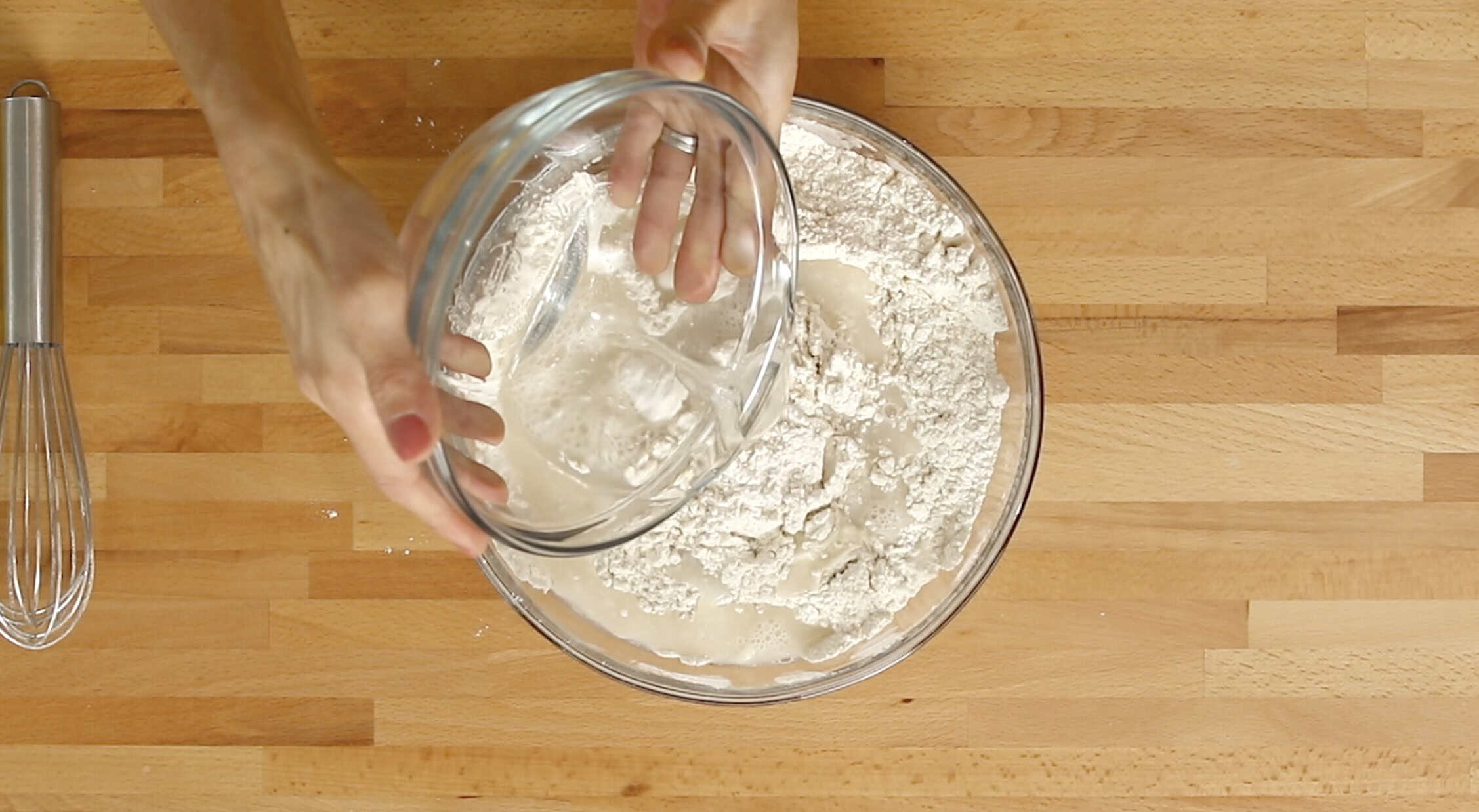
- Combine: In a large bowl, whisk together the flour, yeast, sugar, and salt. Stir in the warm water until a dough starts to form.
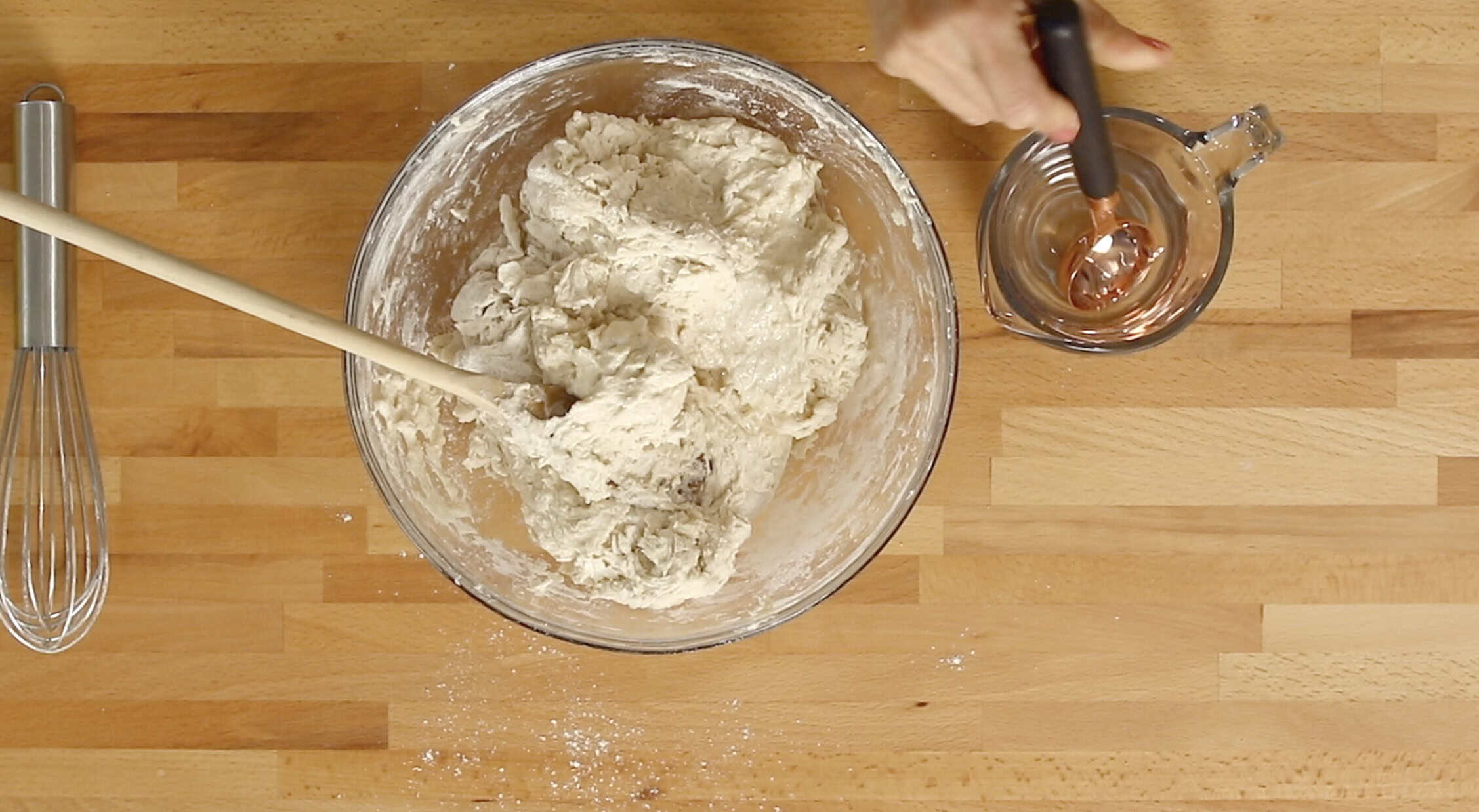
- Adjust the Dough: Add water 1 tablespoon at a time as needed, until the dough feels like play-dough: smooth and elastic, with just a slight tackiness.
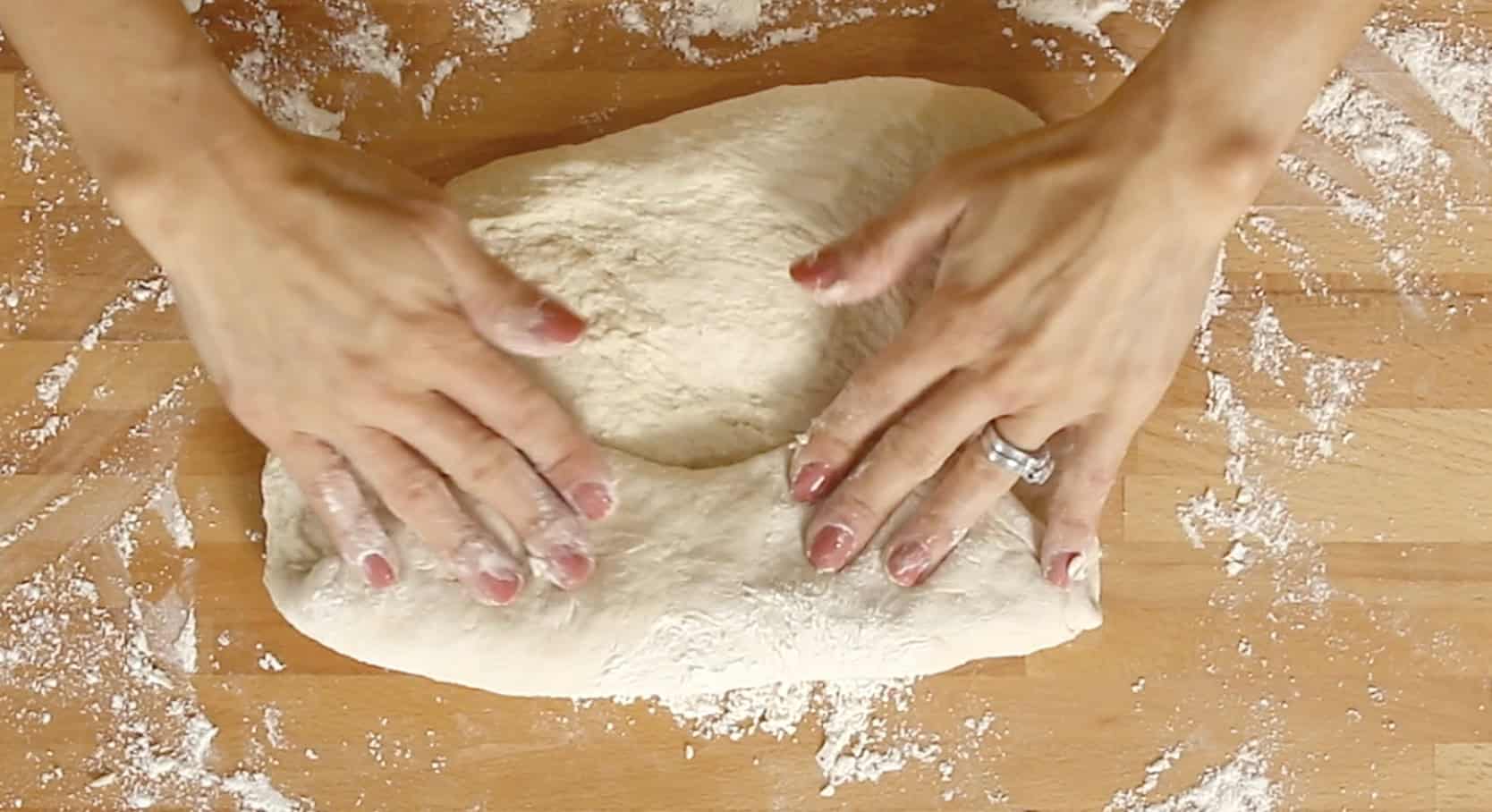
- Knead: On a lightly floured surface, knead the dough for 10 minutes.
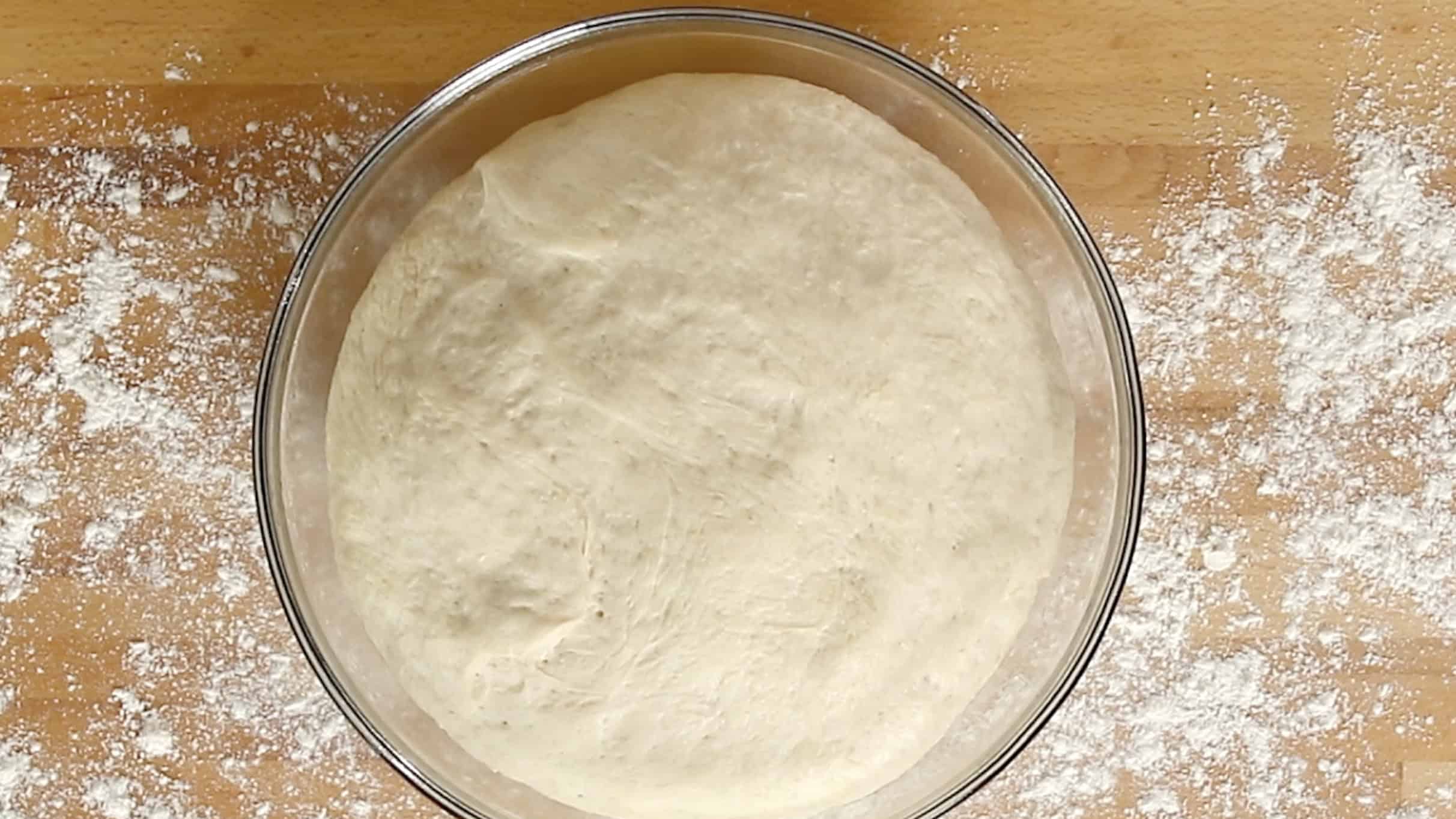
- Rise: Shape into a ball and place in a well-oiled bowl. Cover tightly with plastic wrap and set in a warm, draft-free spot until doubled, 30 to 60 minutes.
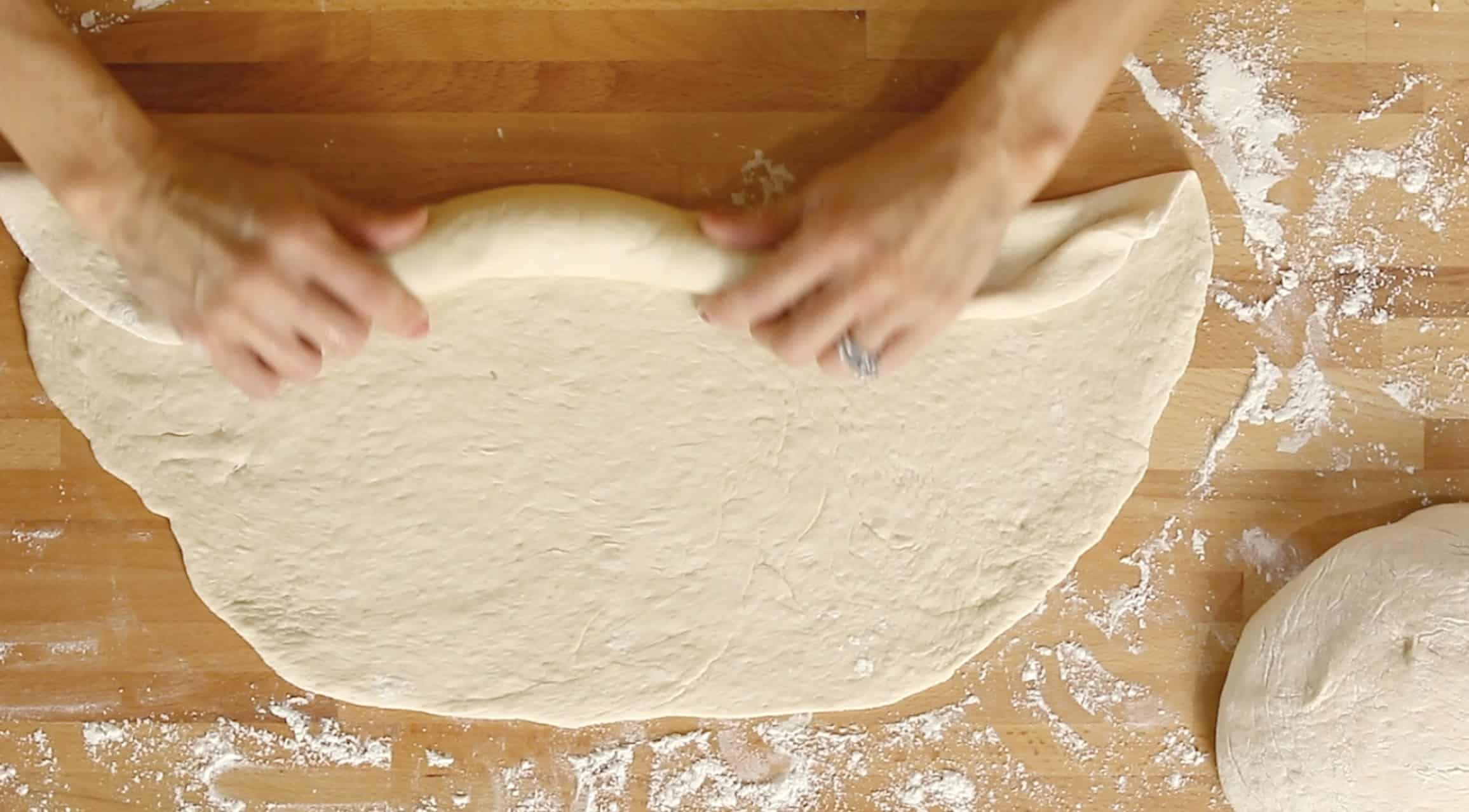
- Shape: Gently punch the dough down and divide it in half. Cover and let rest 10 minutes. Roll each half into a rectangle, roll it up lengthwise, then moisten the edges with water and pinch tightly to seal.
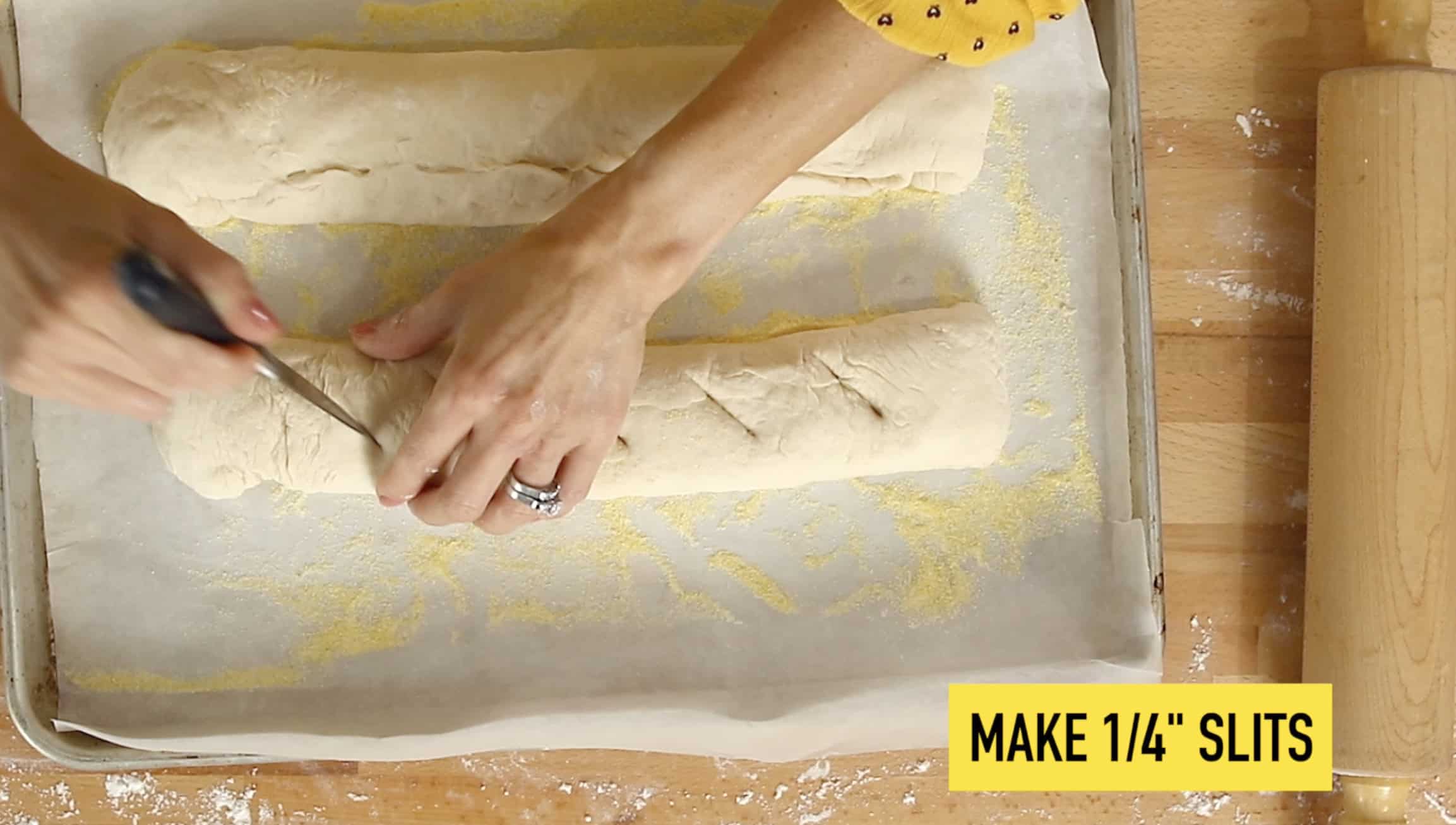
- Score and Brush: Place the loaves seam side down on a parchment-lined baking sheet sprinkled with cornmeal. Cut diagonal slits about 1/4 inch deep with a very sharp knife (a dull one drags and deflates the dough), then brush with the egg white mixture.

- Let Rise Again: Cover loosely with plastic wrap and let the loaves rise until nearly doubled, about 30 minutes. Preheat the oven to 375°F and place a large pan of water on the lowest rack.
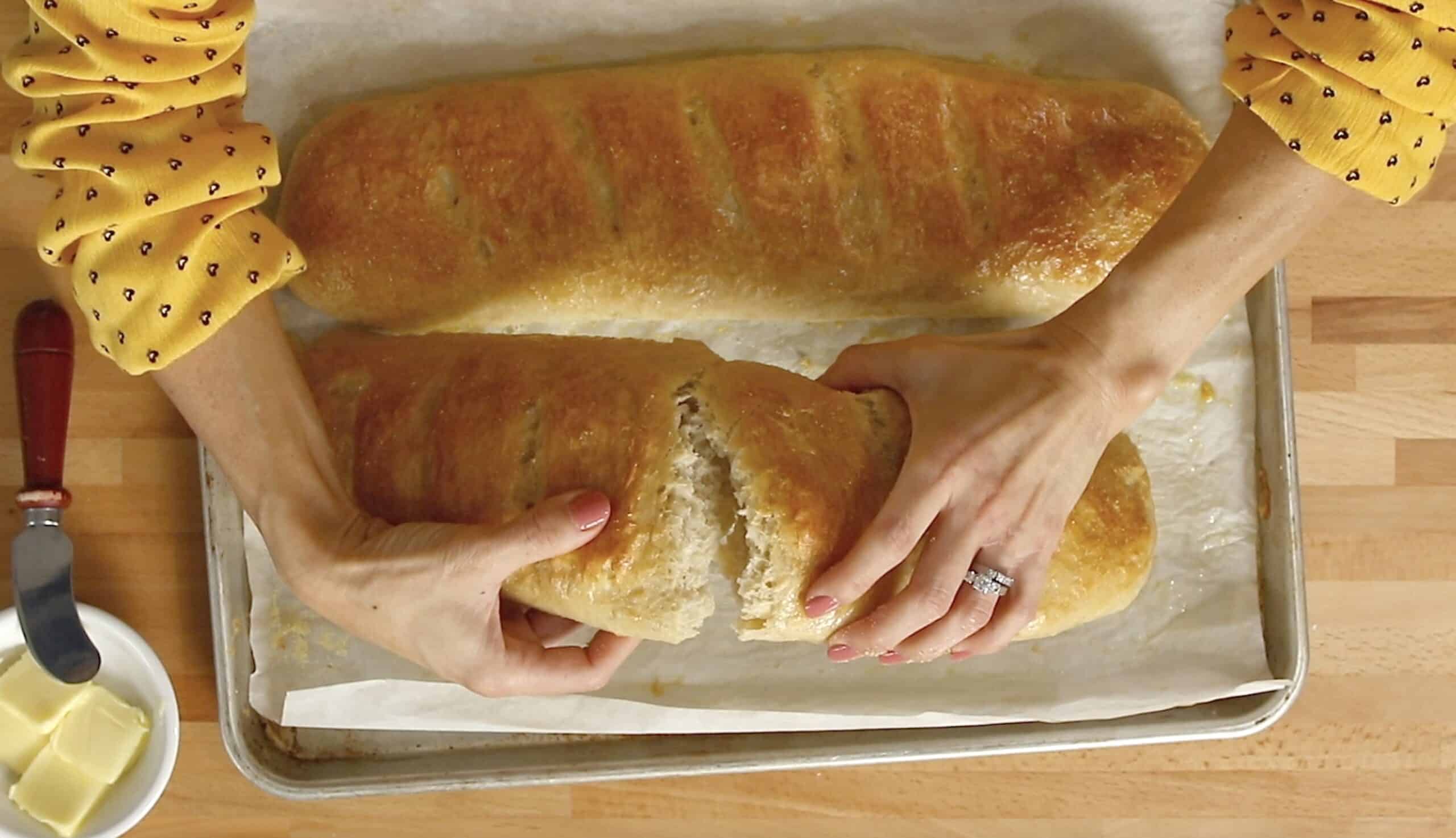
- Bake: Bake 15 minutes, brush again with the egg white mixture, and bake another 10 minutes, until deep golden. Let the loaves rest at least 15 minutes before slicing.
→ For full list of ingredients and instructions, see recipe card below.

How to Prep Ahead
- Bake Earlier in the Day: Keep the loaves loosely covered, then warm them in a 350°F oven for 5 to 10 minutes to re-crisp the crust before dinner.
- Freeze a Loaf: Cool completely, wrap airtight in foil, and freeze up to 3 weeks. Warm the foil-wrapped loaf at 250°F until heated through, about 30 minutes.
- Storage: Keep at room temperature in a paper bag or bread box up to 2 days. Plastic softens the crust.
- Leftovers: Day-old bread makes great homemade croutons or an overnight French toast casserole.

Watch Us Make Crusty French Bread

French Bread Recipe
Equipment
- Instant-read thermometer
Ingredients
- 4 cups all-purpose flour
- 2 packages (1/4 ounce each) active dry yeast fresh
- 1 teaspoon table salt
- 1 tablespoon white sugar
- 1 ¾ cups water warm, about 110°F
- 1 tablespoon cornmeal
- 1 egg white beaten with 1 tablespoon water
Instructions
- In a large bowl, combine the flour, yeast, sugar, and salt. Hand-whisk until well combined. Gradually stir in the warm water (check it with a thermometer so it’s right around 110°F) and stir until a dough forms. The dough should feel like play-dough: not too sticky, and easy to form into a smooth, elastic ball. Add 1 tablespoon of water at a time as needed to get that consistency.
- On a lightly floured surface, knead the dough for 10 minutes, until smooth and elastic.
- Shape into a ball, place in a well-oiled bowl, and turn the dough to lightly coat it in oil. Cover the bowl tightly with plastic wrap and set it in a warm, draft-free place until doubled in volume, 30 to 60 minutes. For a faster rise, set the oven to warm, turn it off, then place the covered bowl inside.
- Gently punch the dough down and divide it in half. Place on a lightly floured surface, cover, and let sit 10 minutes. Roll each half into an approximately 14×9-inch rectangle. Roll each rectangle up lengthwise, moisten the edges with water, and pinch tightly to seal. Taper and seal the ends.
- Line a baking sheet with parchment paper and sprinkle evenly with cornmeal. Place the loaves seam side down on the sheet. With a very sharp knife, cut diagonal slits about 1/4 inch deep across the tops. Brush the loaves with the egg white mixture.
- Gently lay plastic wrap over the loaves and set in a warm, draft-free place until nearly doubled in size, about 30 minutes. Meanwhile, preheat the oven to 375°F with a rack in the lower middle position, and place a large pan of water on the lowest rack.
- Bake 15 minutes. Brush again with the egg white mixture and bake another 10 minutes, until the crust is deep golden brown and the bottom sounds hollow when tapped. Let the loaves rest at room temperature at least 15 minutes before slicing.
Video
Notes
- Substitutions: Instant yeast works in the same amount; the dough rises faster, so check it early. For an egg-free crust, brush the loaves with water instead of egg white.
- Prep Ahead: Bake earlier in the day, then warm the loaves in a 350°F oven for 5 to 10 minutes to re-crisp the crust before serving.
- Storage: Keep at room temperature in a paper bag or bread box up to 2 days. To freeze, cool completely, wrap each loaf airtight in foil, and freeze up to 3 weeks. Warm the foil-wrapped loaves at 250°F until heated through, about 30 minutes.
- Smaller Loaves: Shape four smaller loaves instead of two, and watch them closely, since bake time will vary with loaf size.
- We love serving this bread with Homemade Chicken Noodle Soup or Chicken White Bean Soup.
- This recipe is part of our Savory Bread Recipes collection.
- If you enjoyed this recipe, please come back and give it a rating. We
 hearing from you!
- Join our Free Recipe Club and get our newest, best recipes each week! → Sign up here
Nutrition
What to Serve With French Bread
Soups and Stews
- Boeuf Bourguignon (French Beef Stew): A rich, wine-braised stew made for dunking a thick slice of French bread.
- Cioppino Recipe (Seafood Stew): A garlicky tomato broth full of seafood that you won’t want to leave in the bowl.
- Tuscan Style Beef Stew: Tender beef and vegetables in a hearty, herby broth.
Pasta
- Creamy Bruschetta Pasta: Fresh tomatoes and basil in a creamy sauce for an easy family pasta night.
- 30-Minute Spaghetti Carbonara: Restaurant-worthy carbonara, with warm bread to finish the plate.
- Perfect Pasta Primavera: Loaded with vegetables. Serve the bread with soft butter on the side.
Salads
- Caprese Pasta Salad with Basil Pesto: Pesto, tomatoes, and mozzarella that go so well with a warm slice.
- Peach Caprese Salad: In peach season, this sweet and savory spin on caprese is a favorite.
- Tortellini Pasta Salad with Pesto Sauce, Tomatoes, and Mozzarella: The name is a mouthful, and so is every big-flavored bite.
Frequently Asked Questions
The egg white wash and the pan of water on the bottom rack do the work here. The steam helps the crust set crisp and crackly, and the egg wash gives it that golden shine. If your crust looks pale, move the rack up a notch, or raise the oven 25 degrees and watch closely so it doesn’t over-bake.
A baguette is long, thin, and mostly crust. French bread is wider, with a softer crust and more chewy middle, so it’s great for slicing, dunking into soup, or turning into garlic bread.
Yes, use the same amount. Instant yeast works faster, so the dough may double sooner. Start checking it early.
Yes. Cut every ingredient in half and follow the same steps. Since the loaf is the same size, the bake time stays about the same.
Look for a deep golden crust, then tap the bottom of the loaf. It should sound hollow. With an instant-read thermometer, the center should read about 200°F.
Usually the water was too hot or the yeast was old. Use water around 110°F and check the date on your yeast. A chilly kitchen slows things down too, so try setting your oven to warm, turning it off, then placing the covered dough inside.
Yes. Cool the loaves completely, wrap each one airtight in foil, and freeze up to 3 weeks. Warm the foil-wrapped loaves at 250°F until heated through, about 30 minutes.
More to Cook and Eat
- Cheddar Bay Biscuits: Cheesy, garlicky biscuits with no yeast or rise time.
- Perfect Popovers: Tall, crisp, and hollow inside, made with a few pantry ingredients.
- How to Make Flatbread in 15 Minutes: Soft garlic herb flatbread for dipping into soups and curries.
- Nutella Bread Pudding: A rich, chocolatey way to use up a day-old loaf.


 Posts


0 Comments